Airbnb is changing what hosts can demand from guests. From November 20, 2026, the new Airbnb house rules limit checkout chores, ban host fines and stop most requests for ID copies. As a result, guests should see clearer listings and far fewer surprises after they book.
The update brings together two Airbnb policies: one on reasonable house rules and requests, and another that limits host contracts and other demands. Below, you will find what changes, which rules still count, and what to check before your next booking.
Airbnb house rules update at a glance
What Are the New Airbnb House Rules
In short, the new Airbnb house rules split everything a host writes into two groups. First, there are house rules, which guests must follow. Second, there are requests, which guests are only encouraged to follow. Until now, many listings mixed both, so guests often found long lists of demands in the house manual or on signs inside the home.
Under the new system, however, only seven standard topics can work as real rules. Everything else becomes a request. In addition, a host has to show all rules and requests in the right section of the listing before you book. Rules that a host adds later by message, by a note on the fridge or in person do not count.
According to Airbnb, the goal is simple: fewer host-imposed contracts and fewer hidden requirements. For guests, this means the listing itself becomes the main source of truth for every stay.
When the Airbnb House Rules Change
The new Airbnb house rules apply to reservations that guests make on or after November 20, 2026. Importantly, the booking date decides which policy applies, not the arrival date. So if you booked a stay in October for a trip in December, the old listing terms still apply to that trip.
On the other hand, a booking you make on November 20 for a stay next summer will follow the new rules in full. Airbnb published the updated policies in late October, which gives hosts about four weeks to update their listings.
Booking date is what countsStays you booked before November 20, 2026 keep the rules that were on the listing at the time of booking. If you want the new protections for a trip, check the listing again before you pay.
The Seven Rules Guests Must Follow
Even with the update, hosts still set clear limits on the most important topics. Airbnb allows these seven standard house rules:
- Maximum overnight guests, so the home never hosts more people than the listing allows.
- Quiet hours, for example no loud music after 10 pm.
- Events, such as a ban on parties.
- Pets, including whether pets can stay at all.
- Smoking and vaping, inside the home or anywhere on the property.
- Commercial photography, such as paid photo or film shoots.
- Locking up at checkout, so the home stays secure when you leave.
Because these seven rules are binding, a host can take action if a guest breaks them. In contrast, a host cannot cancel without penalty just because a guest ignored a request. That difference matters, so it is worth reading both lists before you confirm a booking.
Checkout Chores Under the New Airbnb House Rules
Checkout lists have been one of the biggest complaints about Airbnb for years. Many guests paid a cleaning fee and then still had to strip beds, run the dishwasher and carry bags of rubbish to a bin down the street. The new Airbnb house rules put an end to most of that.
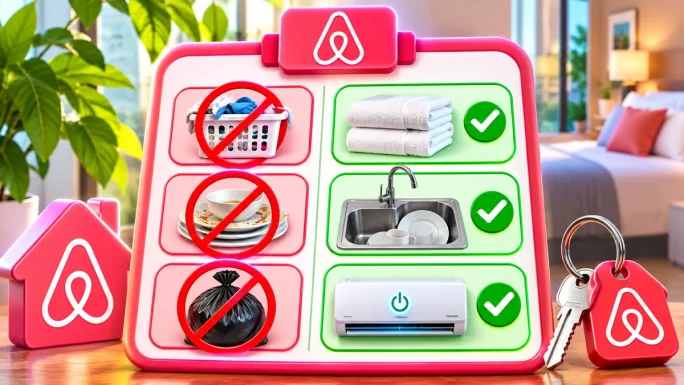
From November 20, hosts can no longer require major chores. Instead, they can only ask for small, simple tasks that take a few minutes. The table below shows the difference.
Checkout tasks hosts can and cannot ask for
| Task area | Hosts can ask | Hosts cannot require |
|---|---|---|
| Dishes | Put used dishes in the sink or dishwasher | Wash, dry and put dishes away |
| Towels and bedsBiggest change | Gather used towels in one place | Strip beds or start laundry |
| Rubbish | Sort trash and recycling into indoor bins | Take rubbish off-site |
| Appliances | Switch off the air conditioning and lights | Block access to amenities |
Still, Airbnb leaves room for local exceptions. For instance, a cabin in bear country may ask guests to use animal-proof bins, and a home in a drought area may limit shower time. In these cases, the host should explain the reason in the listing.
Meanwhile, extra fees work in a new way too. If a host charges for a feature, such as a hot tub or early check-in, that cost must appear in the price you see at booking.
No More Fines or Surprise Rules
Another big change in the Airbnb house rules targets fines. Under the new policy, hosts cannot fine guests or add penalties for breaking a rule or ignoring a request. For example, a host can no longer charge an extra fee because you checked out ten minutes late or left towels on the floor.
In addition, hosts cannot spring new rules on you after you book. If a rule did not appear in the listing when you paid, it does not apply to your stay. That also covers signs inside the home and rules sent by message a day before arrival.
If a host breaks the policy, Airbnb can respond in several ways. First, it may educate the host or ask them to update the listing. Then it can issue warnings, show a notice on the listing or lower its position in search results. For repeat cases, Airbnb can also suspend or remove the listing or the host account.
Limits on Contracts and Personal Data
Some hosts used to send guests a separate rental agreement to sign before arrival. Under the new Airbnb house rules, that practice mostly stops from November 20. A host can only require a separate contract in four cases:
- Local law or community rules, such as a homeowners association, require it.
- You book an optional extra, for example a golf cart or a boat.
- Your stay lasts a month or longer, which means 28 nights or more.
- The home is an Airbnb Luxe listing.
Even then, the host must upload the contract to the listing before you book, so you can read it first. Because the file is public, it cannot contain anyone’s personal details. On top of that, Airbnb makes clear that it does not enforce host contracts.
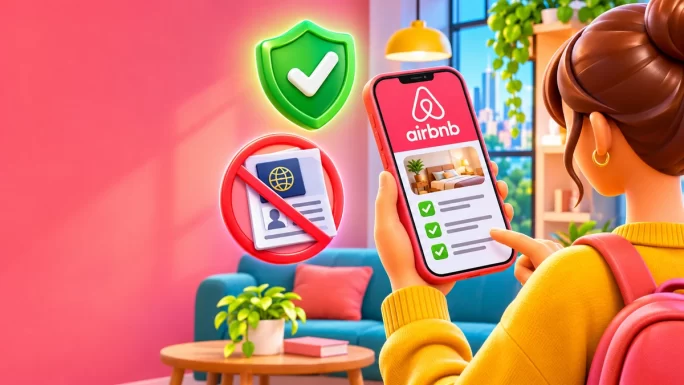
The same logic applies to personal data. Hosts generally can no longer ask for your phone number, home address, email, ID documents, card or bank details, background or credit checks, or biometric and health data. Instead, Airbnb verifies guests itself and does not share your government ID with hosts. A host may still check your ID in person at check-in, as long as the listing mentions it. However, the host cannot keep a copy unless a law or a documented community rule requires one.
Apps, Wi-Fi Logins and Security Deposits
Next, the Airbnb house rules update closes several smaller loopholes. Hosts cannot force you to download a third-party app or sign up on another website just to open the door or use a key feature of the home. Keyless entry apps remain fine; however, the host must offer another way in if you ask for it.
Likewise, Airbnb now bans Wi-Fi login pages that collect your email or other personal details, except at hotels and resorts. Hosts also cannot push you to review the stay on Google or another site, and they cannot pressure you into unrelated activities such as timeshare presentations.
Security deposits follow Airbnb’s existing payment rules. Most hosts cannot charge a deposit at all. A small group of hosts who connect through professional software can collect one, but only if they show it in the fee section before you book. In that case, they must return the full amount within 7 days of checkout if there is no damage, or within 14 days for hotels.
What Hosts Need to Do Before November 20
Although the new Airbnb house rules mainly help guests, hosts have work to do too. Above all, they should move every real rule into the seven standard categories and turn the rest into requests. They should also remove fines from their house manuals and cut checkout lists down to light tasks.
Moreover, hosts who use automated tools should check them carefully. Many property systems send rental agreements, ID upload links or deposit forms to every guest by default. After November 20, those messages can break the new policy, so hosts may need to switch them off for Airbnb bookings. Finally, hosts with smart locks should prepare a backup entry method, such as a code or a lockbox.
How Guests Can Use the Airbnb House Rules
For guests, the new Airbnb house rules mostly mean less stress. Still, a few simple habits help you get the full benefit:
- Read the listing rules before you pay, because only rules shown there count for your stay.
- Take a screenshot of the house rules and requests at booking, so you have proof if a dispute starts later.
- Ignore late additions, such as new rules sent by message after you book.
- Never send ID copies or card details by chat, since Airbnb already verifies your identity.
- Report fines or pressure through Airbnb support instead of paying the host directly.
- Check your booking date, because stays you booked before November 20 still follow the old terms.
Overall, a short check before booking saves time later. If something feels wrong during the stay, Airbnb support and the Resolution Center remain the right places to go.
Paying for Airbnb Stays With a Gift Card
Airbnb also reports its third-quarter results on November 5, so more news about the platform could follow this week. Meanwhile, if you are planning a trip, an Airbnb gift card is a simple way to pay without a bank card. Our guide on how to use an Airbnb gift card explains every step. You add the code to your Airbnb account, and the credit then covers stays and experiences.
Just make sure, however, that you pick a card for the right region and currency. That way, the balance works smoothly with your account. And if you are planning to stock up during the sales, our Black Friday gift card guide covers the key dates.
Multiple regions
Airbnb Gift Card
Add credit to your Airbnb account and book stays or experiences without a bank card. Codes arrive within minutes.
Buy Airbnb Gift CardFrequently Asked Questions
They apply to reservations made on or after November 20, 2026. Stays booked earlier keep the rules that were on the listing at the time of booking.
Hosts can ask you to put used dishes in the sink, gather used towels, sort trash into indoor bins and switch off appliances. They cannot require you to wash dishes, strip beds, start laundry or take rubbish off-site.
No. Under the new policy, hosts cannot charge fines or penalties. Any fee for a listed feature must appear in the price at booking.
In most cases, no. A host may check your ID in person at check-in if the listing says so, but cannot keep a copy unless a law or community rule requires it.
Only in four cases: local law or community rules, optional extras, stays of 28 nights or more, and Luxe listings. The contract must appear on the listing before you book.
Yes. Redeem an Airbnb gift card for your region to your account, then use the credit for stays and experiences.